

Learn about
GRATK Treaty on Landraces & Biopiracy
and Cannabis.
The Cannabis Embassy’s Ministry of Internal Affairs (MINTA) has published 8 articles about Cannabis & GRATK Treaty on Landraces & Biopiracy.
Legatio Cannabis
大麻大使馆
سفارة القنب

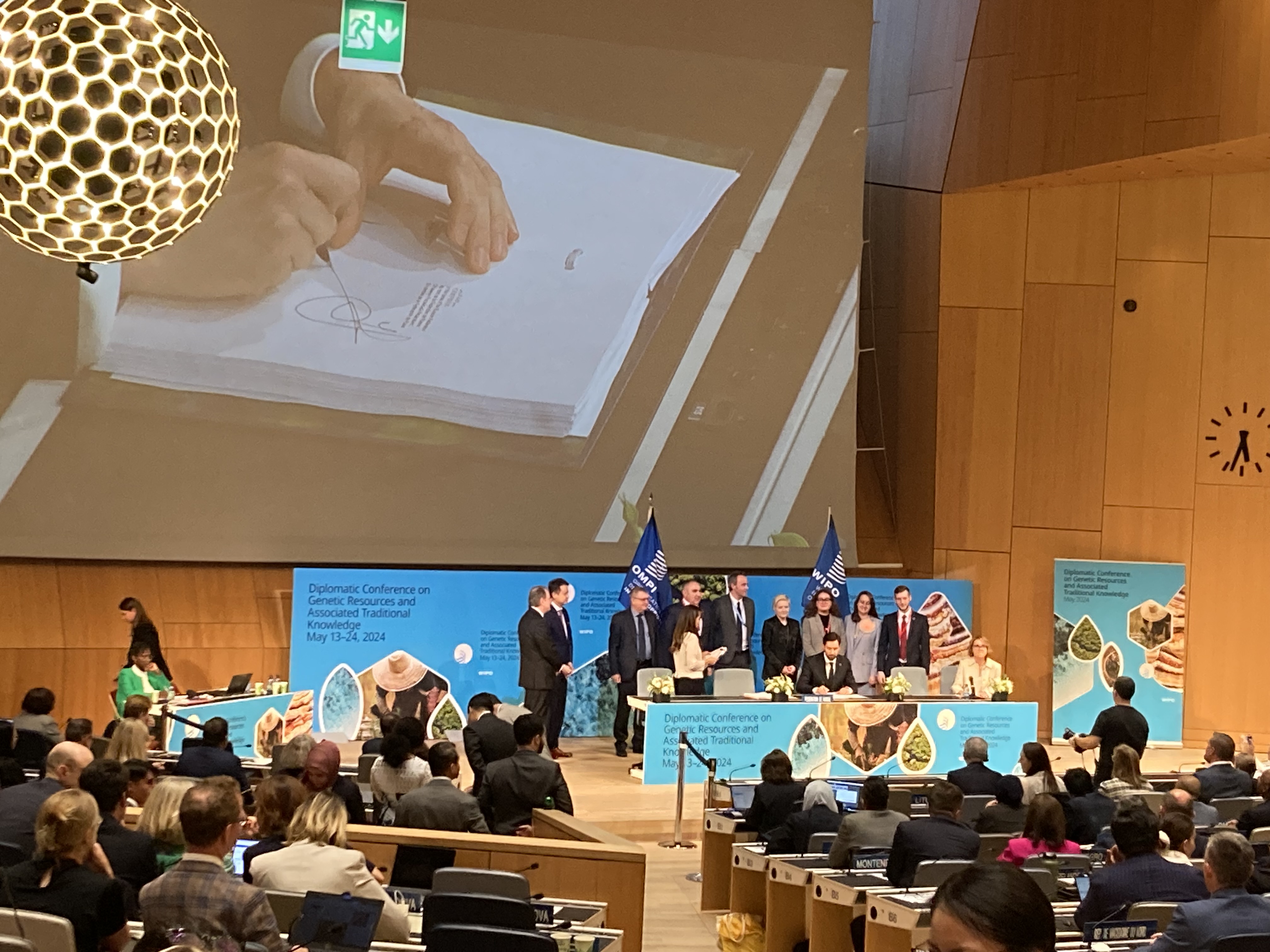
During decades, Cannabis and countless other plants important to the cultures and livelihoods (and at times sacred) of Indigenous Peoples and local communities could be studied, patented, and profited from by anyone except the very custodians who cultivated and safeguarded them for generations. In May 2024, after 25 years of negotiations, the world’s patent system finally began to change: the new GRATK Treaty (WIPO‘s Treaty on Intellectual property, Genetic Resources and Associated Traditional Knowledge) requires anyone patenting an invention drawn from a plant or from traditional knowledge to say where it came from, and from whom. It is a small, overdue sentence to add to a patent application, but a landmark shift in the long struggle against biopiracy and a true tipping point in international law on intellectual property. First in an upcoming series of new international legal dispositions protecting people who grow Cannabis, the GRATK Treaty will enter into force in the coming years.
ACCESS THE GRATK PORTAL BELOW WITH ADDITIONAL INFORMATION AND BACKGROUND
This topic is handled by the Cannabis Embassy’s Ministry of Internal Affairs
The Ministry of Internal Affairs (MINTA) is in charge of everything internal to the Cannabis Embassy. The MINTA is part of the Government of the Cannabis Embassy and is composed by the following subsidiary bodies:
- CENGGA (Cannabis Embassy’s Non-profit Groups and Grassroots Associations)
- CEPSAC (Cannabis Embassy’s Private Sector Advisory Council)
- Council on Embassy Finances & Administration
- Constitutional Council
- Library & Archive (Bibliothecas Archivumque ex Legationis Cannabis)
Bodies not yet formally constituted: Council on Communications; Council on Justice & Human Rights. Body suspended: Strategic Planning Commission.
Advocacy History: International Cannabis Advocacy 1998–2024

GRATK: Contribution to the Proceedings of the Diplomatic Conference
GRATK: Opening Statement at the Diplomatic Conference
GRATK: Round of Consultations
GRATK: Patenting Traditions – Why are plant rights activists going to Geneva in May?

Cannabis Embassy Campus Vienna 2024